Ship Design
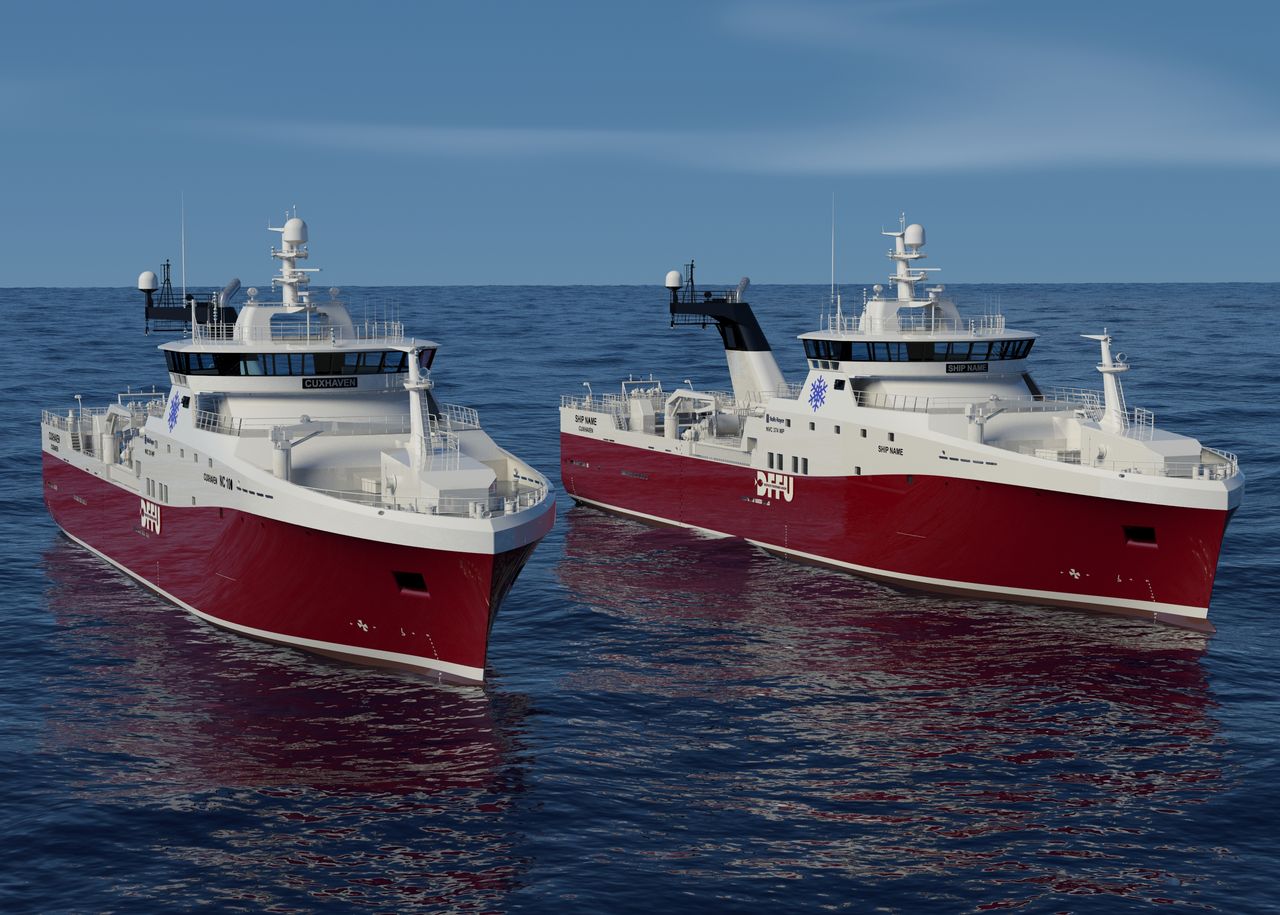
Vessel design built for fuel efficiency and long-term performance
Héðinn delivers Kongsberg Maritime NVC vessel designs for fishing, fish-carrying, offshore, and research operations. Advanced hull engineering, integrated propulsion planning, and a proven global delivery record.
An independent design department with decades of vessel engineering experience
The Kongsberg Maritime design department operates as an independent unit within Kongsberg, maintaining close collaboration with naval architects, propulsion engineers, and systems specialists across the group. The result is a design process where hull form, energy systems, and deck equipment are planned together rather than in sequence.
Advanced hydrodynamic modelling and CFD analysis are used to optimise hull form for each vessel's operating profile. The design process accounts for propulsion efficiency, fuel consumption across the load range, and the practical workflow requirements of the crew and catch handling systems.
Héðinn is the authorized local partner for Kongsberg Maritime ship design in Iceland, connecting vessel owners and operators to the full NVC design catalogue and to the engineering team behind it.
Vessel Categories
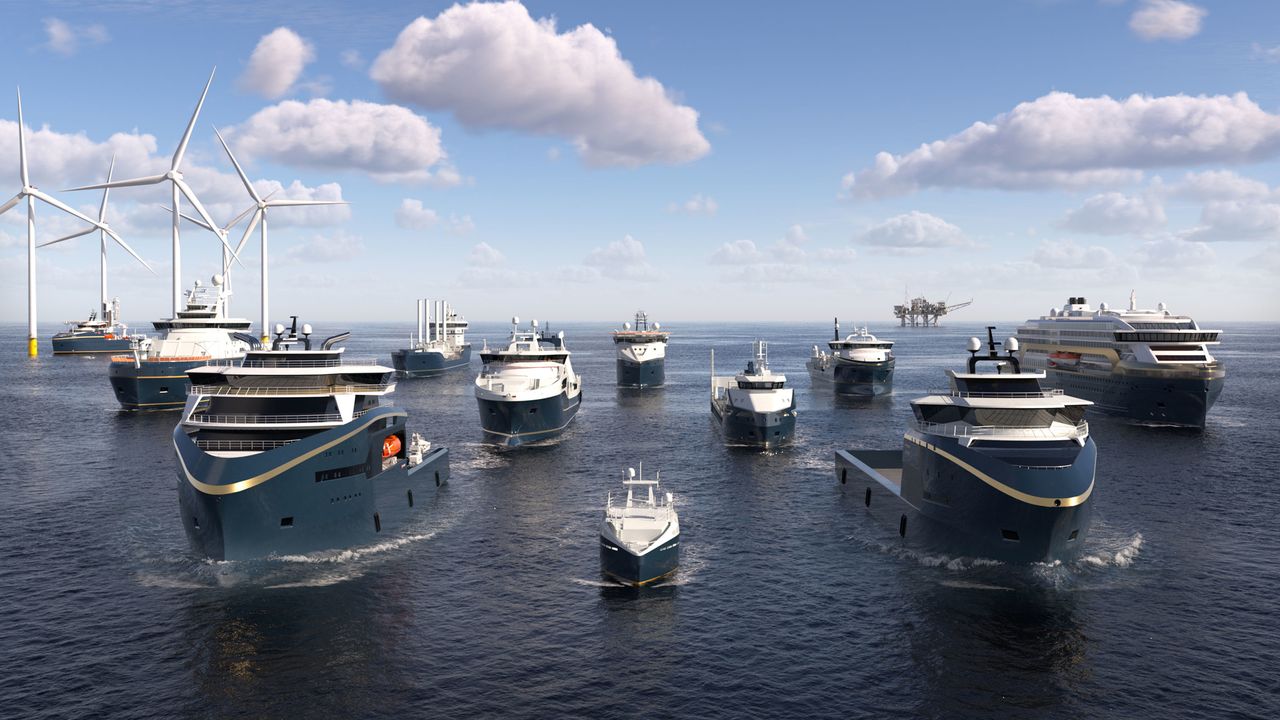
NVC designs covering the full range of commercial and specialised vessels
From high-seas pelagic trawlers to research vessels and coastal guard ships, the NVC catalogue addresses a wide range of owner requirements with purpose-built hull and systems configurations.
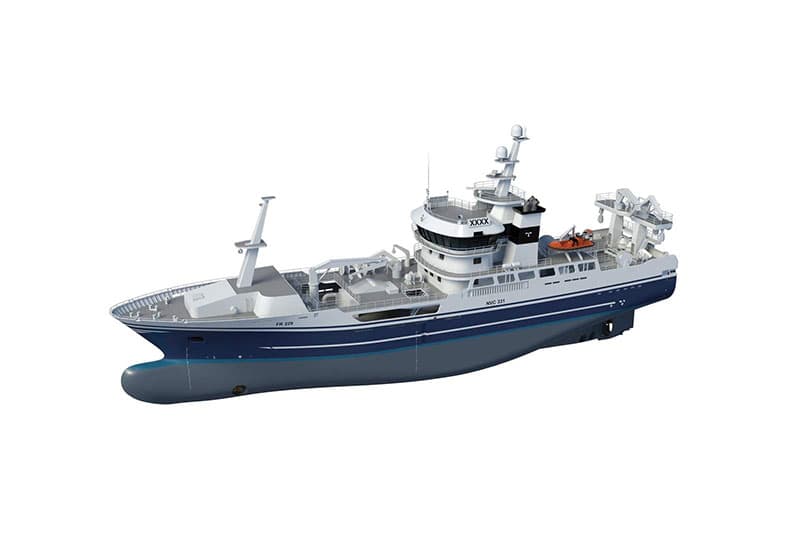
High-capacity pelagic designs optimised for large catch volumes, efficient refrigeration, and long ocean passages. The NVC 331 is a representative design in this category.
- Large RSW and freezer capacity
- Optimised seakeeping for open ocean
- Efficient trawl-deck workflow
Stern trawler designs combining robust hull performance with modern deck machinery integration. The NVC 375 WP is a stern trawler variant built for demanding fishing grounds.
- Stern ramp and winch integration
- Factory processing decks available
- Optimised for various trawl gear types
Carrier vessels designed to transport live fish in good condition over extended distances. The NVC 387 addresses water quality, stocking density, and efficient loading and offloading.
- Temperature-controlled live wells
- Oxygenation and water circulation systems
- Gentle loading and offloading equipment
Purpose-built designs for coastguard, patrol, and offshore support roles. The NVC 512 and 515 series delivers seakeeping, endurance, and operational flexibility for government and commercial operators.
- Extended range and endurance
- Multi-mission deck layouts
- Dynamic positioning options
Oceanographic and fisheries research vessel designs with low acoustic signatures, stable working platforms, and flexible laboratory and equipment arrangements. The NVC 392 is a recognised oceanographic research design.
- Low acoustic and vibration profile
- Wet and dry lab arrangements
- Sampling and deployment equipment
Merchant vessel designs for bulk cargo and liquid cargo operations. The NVC 405 LNG cargo and NVC 605 CT tanker provide efficient hull platforms for coastal and short-sea trades.
- LNG and chemical tanker variants
- Efficient hull forms for coastal trades
- IMO and class society compliance
Fleet Delivered
A design record built over five decades of vessel projects
Kongsberg Maritime NVC designs have been delivered to vessel owners across Europe, Asia, and the Americas. The numbers reflect the scale and consistency of a programme that started in the early 1970s and continues today.
Vessels built to Kongsberg Maritime NVC designs since the programme began
Continuous vessel design programme running since the early 1970s
Current catalogue covering fishing, research, patrol, and merchant vessel categories
Vessel owners and operators in fishing nations across Europe, Asia, and the Americas
From concept brief to classification-ready drawings
Each vessel project moves through a structured design sequence that keeps hull performance, systems, and operations aligned from the first discussion to the final deliverable.
Define the mission and operating profile
The project starts with the vessel's intended operation: fishing grounds, catch type, processing capacity, range, port infrastructure, and crew size. This brief shapes every downstream design decision.
Select or adapt a base NVC design
Existing NVC designs are reviewed against the brief. Where an existing design fits, it shortens development time and reduces risk. Where adaptations are needed, the design team works from a validated hull baseline.
Optimise hull form and propulsion
Hydrodynamic analysis and CFD modelling refine hull form for the target sea state and speed profile. Propulsion options are evaluated for efficiency across the full operating load range, not just at design speed.
Integrate systems and deck equipment
Propulsion, winch systems, refrigeration, automation, and control systems are planned together. Héðinn's marine engineering team connects vessel design with the systems it will require in operation.
Deliver drawings and class documentation
Complete design packages are prepared for classification society review and shipyard tendering. Héðinn supports the owner through the approval process and into build supervision where required.
Selected NVC vessel designs
A representative selection from the current NVC catalogue. Each design type has been built and delivered at recognised shipyards. Contact Héðinn for the full catalogue and for project-specific adaptation options.
| Design | Vessel type | Key characteristics | Primary market |
|---|---|---|---|
| NVC 331 | Pelagic trawler | High-capacity RSW/freezer, open-ocean seakeeping | North Atlantic pelagic fishing |
| NVC 375 WP | Stern trawler | Factory deck, stern ramp, integrated winch arrangement | Demersal and mixed fisheries |
| NVC 369 WP | Factory stern trawler | Onboard processing plant, extended range, large crew | Deep-sea factory fishing operations |
| NVC 387 | Live fish carrier | Live wells with oxygenation, gentle handling systems | Aquaculture and live fish transport |
| NVC 392 | Research vessel | Low acoustic signature, lab facilities, survey equipment | Oceanographic and fisheries research |
| NVC 512 / 515 | Coastguard / patrol | Long endurance, multi-mission deck, DP option | Government and offshore patrol |
| NVC 405 LNG | Cargo vessel | LNG-ready hull, efficient coastal trade platform | Short-sea and coastal cargo |
| NVC 605 CT | Chemical tanker | IMO-compliant tank arrangement, efficient hull form | Chemical and product tanker trades |
Design connected to the systems and service the vessel will need
Ship design decisions have a long reach. Hull geometry affects fuel consumption throughout the vessel's working life. Machinery arrangements shape how efficiently the crew can operate and maintain equipment at sea. A design process that treats these as separate problems produces vessels that perform below their potential.
Héðinn's marine engineering team works alongside the Kongsberg Maritime design programme to ensure that propulsion systems, trawl winches, automation and control equipment, and service access are considered as part of the design, not added after it. Owners benefit from a single point of contact covering design, supply, and long-term technical support.
Related services include propulsion systems, winch systems, automation and control, and full marine engineering support. Each can be scoped independently or as part of a coordinated vessel project.